Many businesses start with WhatsApp because it’s simple, familiar, and where customers already are. In the early days, it works great—quick replies, easy conversations, fast onboarding.
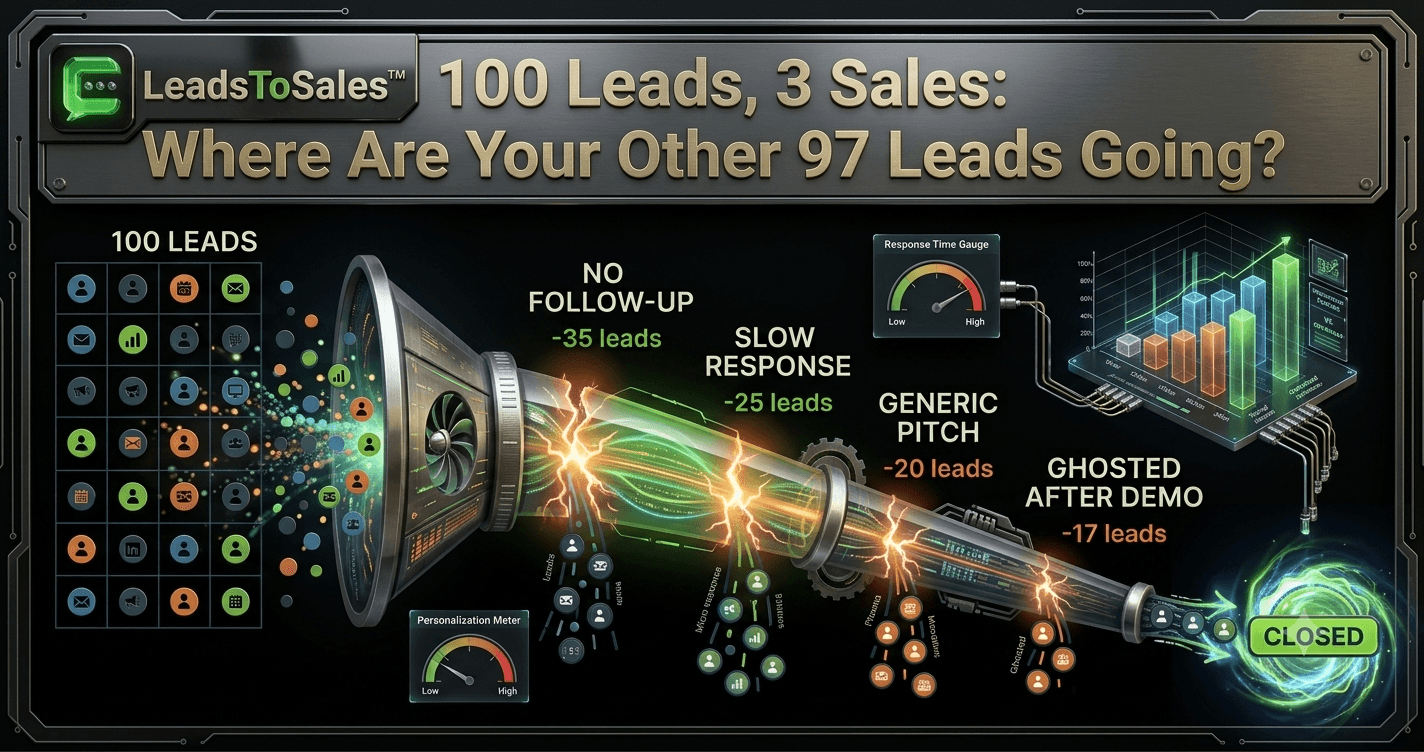
But as your business grows, what once felt like a smart shortcut slowly turns into a bottleneck.
This blog breaks down why WhatsApp-only setups fail—and more importantly, what you can do instead.
Problem 1: Conversations Turn Into Chaos
At small scale, managing chats manually is doable. But as volume increases:
Messages get lost
Teams overlap and duplicate replies
No clear tracking of customer journeys
It becomes messy fast.
Solution: Move to a Structured Support System
Instead of handling everything inside WhatsApp, use a multi-channel live chat inbox that organizes conversations, assigns chats, and tracks every interaction in one place.
This brings clarity, accountability, and speed—something WhatsApp alone can’t offer.
Problem 2: Automation Hits a Wall
Basic replies and simple bots are easy. But when you try to scale:
Complex workflows break
Personalization is limited
Follow-ups aren’t reliable
This is where most businesses feel stuck.
Solution: Use Smarter Automation, Not Just Messaging
Adopt tools built for WhatsApp Automation for SaaS that go beyond simple replies—think full customer journeys, intelligent triggers, and behavior-based automation.
Automation should reduce workload, not create new limitations.
Problem 3: No Real Data = No Real Growth
WhatsApp doesn’t give you deep insights into:
Customer behaviour
Conversion funnels
Campaign performance
Without this, you're making decisions blindly.
Solution: Build Around Data, Not Just Chats
Use systems that connect messaging with analytics. When you understand what users do—not just what they say—you can actually optimize and grow.
Problem 4: Your Brand Disappears
Inside WhatsApp, every business looks the same.
No customization
No immersive experience
No brand differentiation
You're just another contact in a chat list.
Solution: Own the Experience
Bring users into your own ecosystem—your website, app, or platform—where you control design, flow, and engagement.
Use WhatsApp as an entry point, not the final destination.
Problem 5: You're Dependent on One Platform
When your entire system runs on WhatsApp:
Policy changes affect you instantly
Costs can increase anytime
Features can be restricted
That’s a risky place to be.
Solution: Build an Omnichannel Strategy
Smart businesses don’t rely on a single channel. They combine:
WhatsApp
Web chat
Email
SMS
into one seamless system—an Omnichannel messaging platform that gives flexibility and control.
The Smarter Approach: Don’t Replace WhatsApp—Upgrade It
The goal isn’t to stop using WhatsApp. It’s to use it correctly.
Platforms like Chati.ai help businesses:
Turn chats into structured workflows
Automate complete customer journeys
Manage conversations across channels
Track performance with real data
Instead of being limited by WhatsApp, you extend its power.
Final Thoughts
WhatsApp is a great starting point—but a poor foundation.
If your business is growing, relying on it alone will slow you down, limit your visibility, and create operational chaos.
The fix is simple:
Stop building your business inside WhatsApp. Start building a system around it.
That’s how you scale—without breaking what already works.