In today's digital-first world, customers expect instant responses, personalized communication, and seamless buying experiences. This shift has made WhatsApp one of the most effective sales channels for businesses across industries. From answering product inquiries to closing deals and providing post-purchase support, WhatsApp helps brands engage customers where they are already active.
Many organizations are now leveraging a WhatsApp Marketing Automation Platform to streamline customer interactions, improve response times, and drive higher conversion rates. Whether you're a small business, eCommerce brand, real estate agency, or service provider, WhatsApp can become a powerful engine for sales growth.
Why WhatsApp Is Effective for Sales
Unlike traditional communication channels such as email and phone calls, WhatsApp offers real-time engagement. Customers can reach businesses instantly and receive personalized responses without waiting hours or days.
Key benefits include:
Faster customer communication
Higher message open rates
Personalized customer experiences
Improved lead nurturing
Better customer retention
Increased sales conversions
Customers are more likely to complete a purchase when they can quickly get answers to their questions. WhatsApp makes this process simple and convenient.
How Businesses Use WhatsApp for Sales
1. Lead Generation
Businesses can place WhatsApp buttons on websites, landing pages, social media profiles, and advertisements. Instead of filling out lengthy forms, prospects can start a conversation immediately.
This reduces friction in the buying journey and increases the likelihood of converting visitors into qualified leads.
2. Product Recommendations
Sales representatives can understand customer requirements and recommend products that best fit their needs. This personalized approach often results in higher conversion rates compared to generic marketing campaigns.
For example, an online fashion retailer can recommend outfits based on customer preferences, while a software company can suggest the most suitable subscription plan.
3. Product Catalog Sharing
WhatsApp Business enables businesses to create and share product catalogs directly within conversations. Customers can browse products, view pricing, and request additional information without leaving the app.
4. Order Updates and Follow-Ups
Businesses can use WhatsApp to send:
Order confirmations
Payment confirmations
Shipping notifications
Delivery updates
Feedback requests
These interactions keep customers informed and help build trust.
5. Customer Support That Supports Sales
Customer support and sales often work hand in hand. Businesses using a WhatsApp customer support automation tool can resolve customer concerns quickly while identifying opportunities for upselling and cross-selling.
When customers receive prompt assistance, they are more likely to complete purchases and become repeat buyers.
Common Customer Questions Answered Through WhatsApp
Customers frequently use WhatsApp to ask:
What is the price of this product?
Is the item available in stock?
What payment methods do you accept?
How long will delivery take?
Do you offer discounts for bulk orders?
Can you share more product images?
What is your return policy?
Which product would you recommend for my needs?
Providing immediate answers helps businesses remove purchase barriers and accelerate decision-making.
Best Practices for WhatsApp Sales Success
Respond Quickly
Customers expect fast responses on messaging platforms. Delayed replies often lead prospects to competitors.
Personalize Conversations
Avoid sending generic responses whenever possible. Personalized recommendations create a stronger connection with potential buyers.
Keep Communication Relevant
Focus on helping customers solve problems rather than sending excessive promotional messages.
Use Automation Strategically
Automation can improve efficiency while maintaining a positive customer experience. Greeting messages, quick replies, and automated responses can handle routine inquiries and free up sales teams for higher-value conversations.
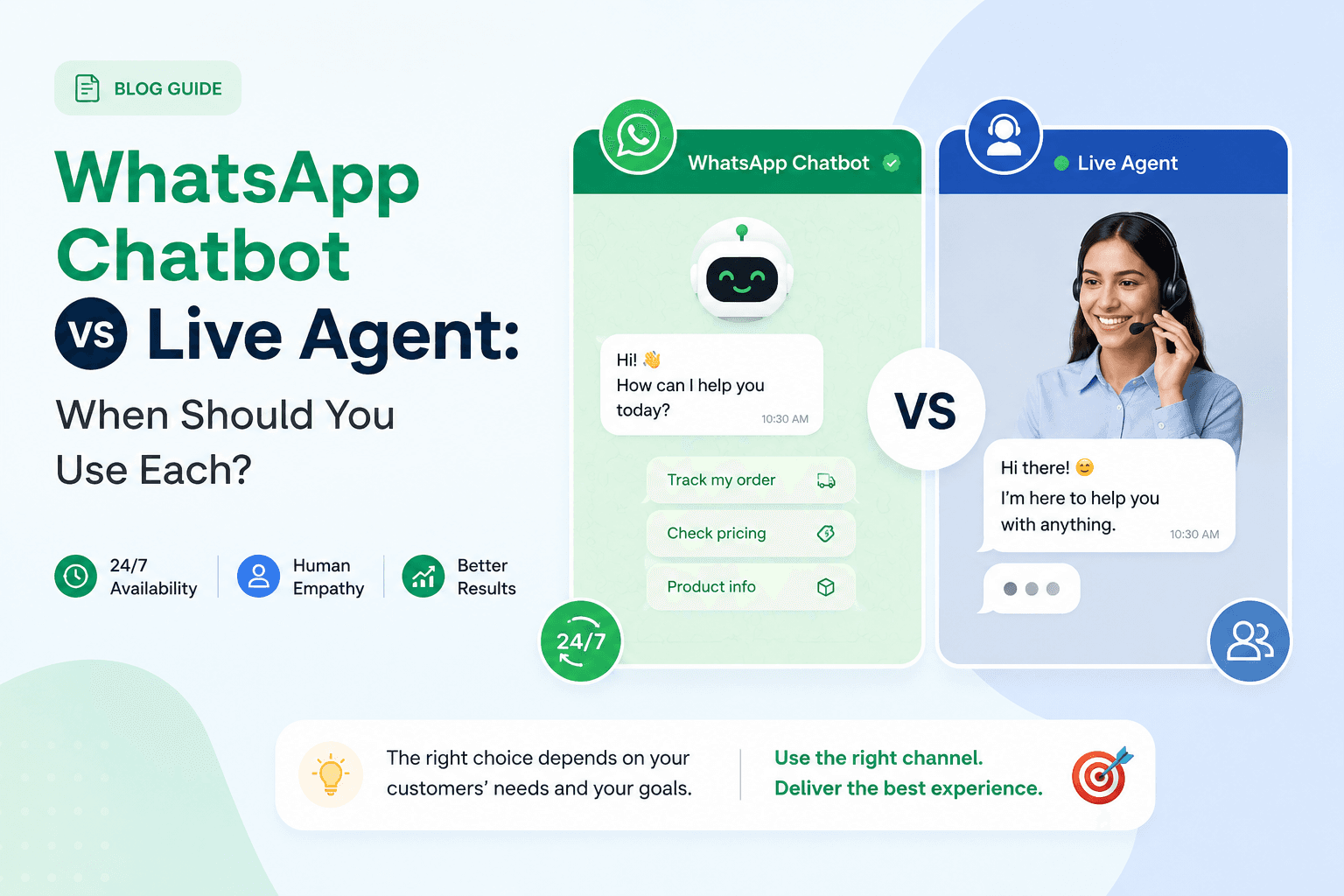
Many companies now combine human support with AI powered chatbots for businesses to provide 24/7 assistance while ensuring complex inquiries receive personal attention.
Train Your Sales Team
Successful WhatsApp selling requires more than simply responding to messages. Sales representatives should understand customer needs, product details, and effective communication techniques.
Industry Use Cases
eCommerce
Online stores use WhatsApp for:
Product recommendations
Cart recovery campaigns
Order tracking
Customer support
Repeat purchase promotions
Real Estate
Agents use WhatsApp to:
Share property photos and videos
Schedule site visits
Qualify buyers
Answer property-related questions
Education
Educational institutions use WhatsApp to:
Respond to admission inquiries
Share course details
Send enrollment reminders
Support students during the admission process
Healthcare
Healthcare providers use WhatsApp to:
Schedule appointments
Send reminders
Answer patient queries
Improve communication with patients
Travel and Hospitality
Travel businesses use WhatsApp for:
Booking confirmations
Itinerary sharing
Customer support
Travel updates
How to Get Started
Getting started with WhatsApp for sales is straightforward:
Create a WhatsApp Business account.
Complete your business profile.
Add business hours and contact details.
Upload products to your catalog.
Set up quick replies for common questions.
Promote your WhatsApp number across marketing channels.
Monitor conversations and optimize your sales process.
Businesses with larger customer volumes can explore advanced WhatsApp Business API solutions to support automation, team collaboration, and integration with CRM systems.
The Future of Sales Is Conversational
Consumer expectations continue to evolve. Customers increasingly prefer messaging over traditional communication channels because it is faster, more convenient, and more personal.
WhatsApp allows businesses to meet customers where they are already spending their time. By combining personalized communication, automation, and efficient support, organizations can create better customer experiences while driving measurable revenue growth.
Conclusion
WhatsApp has become far more than a messaging application. It is now a critical sales and customer engagement channel that helps businesses generate leads, nurture prospects, answer questions, and close deals.
Organizations that invest in a WhatsApp Marketing Automation Platform, enhance customer interactions with a WhatsApp customer support automation tool, and leverage AI powered chatbots for businesses can create scalable sales processes while delivering exceptional customer experiences.
As customer expectations continue to rise, businesses that embrace conversational commerce through WhatsApp will be better positioned to build stronger relationships, improve conversion rates, and achieve sustainable growth.