Running marketing campaigns that drive hundreds of WhatsApp conversations sounds like a dream. More clicks, more inquiries, and more engagement should translate into more revenue.
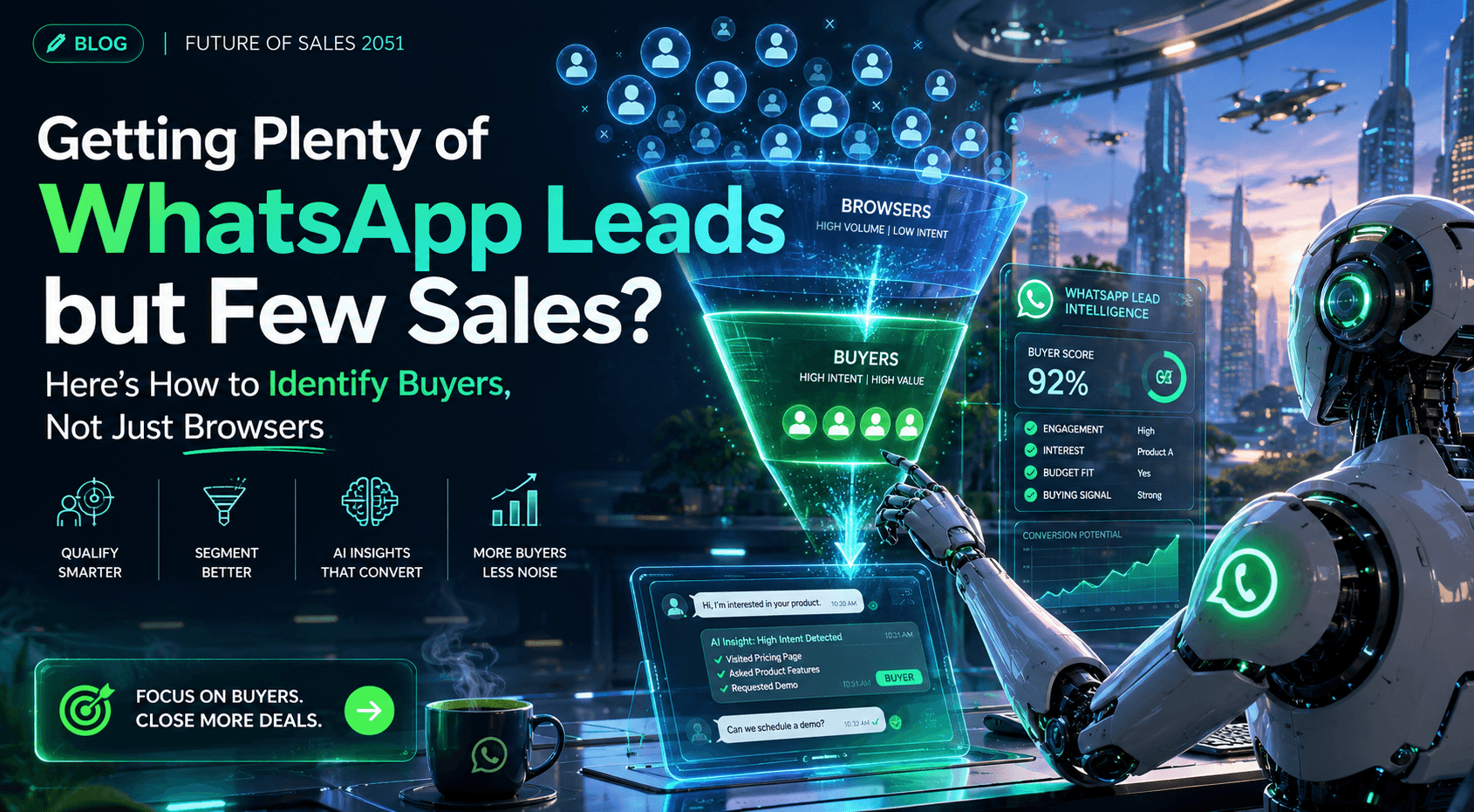
Yet many businesses face a frustrating reality: WhatsApp chats keep increasing, but sales don't.
The problem isn't always lead generation. It's what happens after prospects start a conversation.
Without the right system, businesses struggle to distinguish serious buyers from casual browsers. Sales teams waste hours responding to unqualified inquiries, important prospects get overlooked, and reporting becomes a guessing game.
If your campaigns generate plenty of WhatsApp chats but conversions remain low, it's time to rethink how you're managing customer conversations.
Why High Chat Volume Doesn't Always Lead to More Sales
When a potential customer messages your business on WhatsApp, they may be at very different stages of the buying journey.
Some are ready to purchase immediately.
Some are comparing vendors.
Some are gathering information for future decisions.
Others are simply curious.
Treating every conversation the same creates several challenges:
Sales teams spend time on low-intent leads.
Qualified prospects experience delayed responses.
Follow-ups become inconsistent.
Marketing teams struggle to measure campaign performance.
Management lacks visibility into conversion rates.
As chat volumes increase, these problems become even harder to manage manually.
The Biggest Challenge: Identifying Serious Buyers
Many businesses rely on agents to manually assess lead quality through conversations.
This approach may work when handling a handful of inquiries each day, but it quickly becomes unsustainable as campaign performance improves.
A better approach is automated lead qualification.
With a modern WhatsApp chatbot solution, businesses can automatically ask qualifying questions when a new prospect starts a conversation.
Examples include:
What product are you interested in?
What is your budget range?
When are you planning to purchase?
What industry are you in?
How many users or locations do you have?
Based on the answers, leads can be categorized and prioritized automatically.
This allows sales teams to focus their attention where it matters most.
Why Multiple Tools Create More Problems
Many organizations use separate platforms for:
WhatsApp conversations
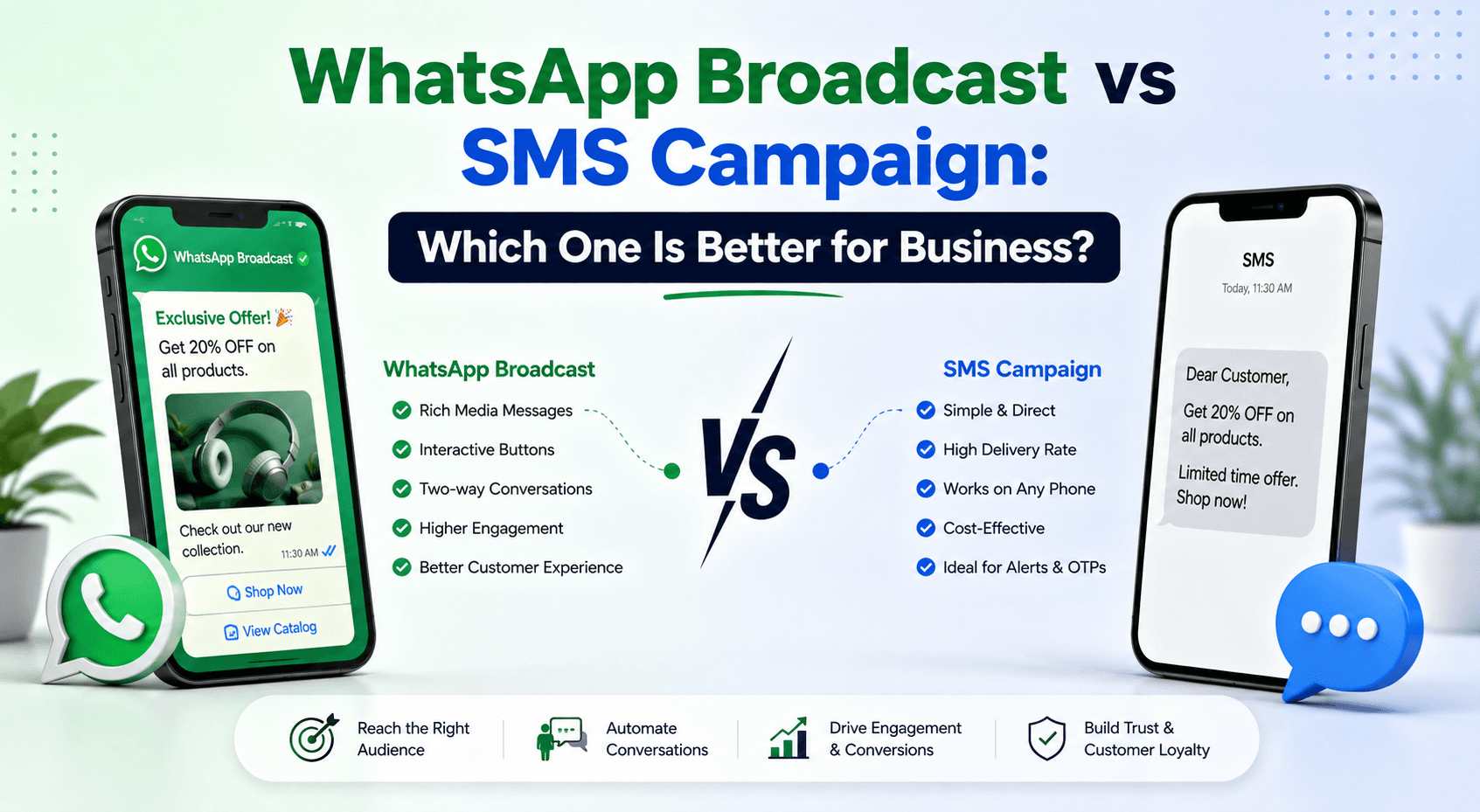
Marketing broadcasts
CRM updates
Analytics and reporting
While each tool may perform its individual function well, switching between systems creates operational inefficiencies.
Teams often encounter:
Duplicate data
Missed follow-ups
Inconsistent customer records
Limited campaign visibility
Manual reporting processes
As customer communication scales, these disconnected workflows can significantly impact revenue.
What to Look for in a WhatsApp API Chat Management Platform
Instead of managing conversations across multiple tools, businesses should look for a centralized platform that combines communication, automation, and reporting.
Automated Lead Qualification
The platform should automatically collect lead information and assign qualification scores before a sales representative becomes involved.
This ensures agents focus on prospects most likely to convert.
Broadcast Campaign Management
A strong WhatsApp Broadcast Messaging Platform enables businesses to:
Re-engage dormant leads
Send promotional campaigns
Share product updates
Deliver personalized follow-ups
Targeted broadcasts help nurture prospects who are not yet ready to purchase.
Unified Team Collaboration
As conversations grow, multiple agents need visibility into customer interactions.
An omnichannel live chat inbox allows teams to manage customer conversations from a single workspace while maintaining conversation history and accountability.
This prevents duplicate responses and improves customer experience.
Conversion Reporting
Perhaps the most overlooked requirement is reporting.
Businesses should be able to answer questions such as:
Which campaign generated the most qualified leads?
Which source drives the highest conversion rate?
How many chats become opportunities?
How many opportunities become customers?
Without reliable reporting, marketing decisions rely on assumptions rather than data.
How Automated Qualification Improves Sales Efficiency
Consider a business generating 1,000 WhatsApp conversations each month.
Without qualification:
Every inquiry receives similar attention.
Agents spend significant time on low-intent prospects.
Follow-ups become inconsistent.
With automated qualification:
High-intent buyers are identified immediately.
Sales teams prioritize valuable opportunities.
Nurture campaigns handle early-stage prospects.
Conversion rates improve through better resource allocation.
The result is not necessarily more leads—but better outcomes from the leads you already have.
Creating a Scalable WhatsApp Sales Process
Businesses that successfully convert WhatsApp conversations into revenue typically follow a structured process:
Step 1: Capture Leads
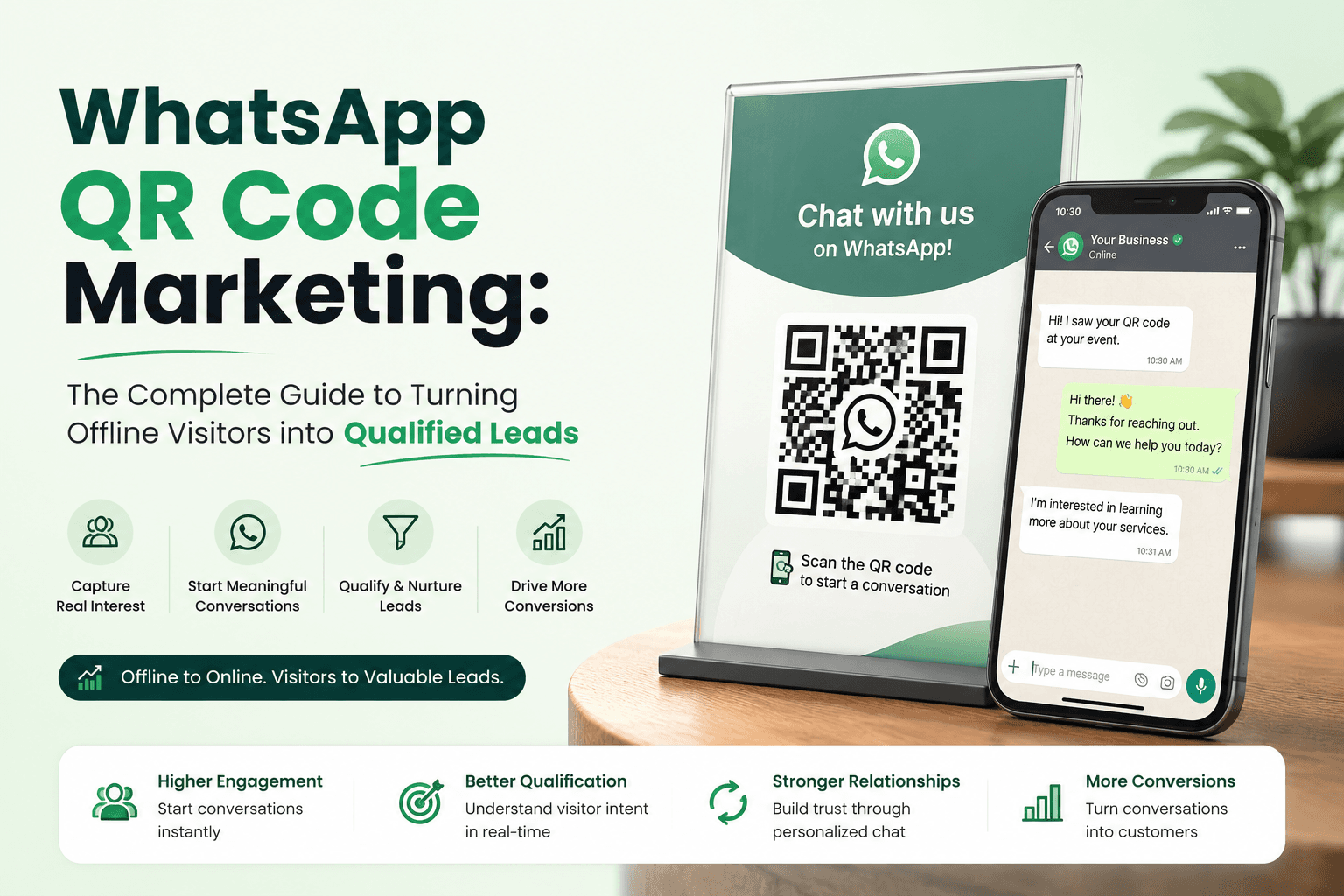
Drive prospects from ads, websites, landing pages, and social media directly into WhatsApp.
Step 2: Qualify Automatically
Use automation to gather information and identify buying intent.
Step 3: Route Conversations
Assign qualified leads to the appropriate sales representative or department.
Step 4: Nurture Prospects
Use targeted broadcasts and follow-up sequences for leads that need more time.
Step 5: Measure Performance
Track campaign effectiveness, agent productivity, and conversion rates through centralized reporting.
This structured approach transforms WhatsApp from a messaging channel into a predictable revenue engine.
The Bottom Line
If your campaigns generate plenty of WhatsApp conversations but very few sales, the issue may not be lead volume.
The real challenge is identifying which prospects are ready to buy and ensuring they receive the right attention at the right time.
A platform that combines automated qualification, broadcast messaging, conversation management, and reporting can help businesses stop treating every lead the same and start focusing on the opportunities most likely to convert.
By bringing customer communication, automation, and analytics together in one place, businesses can transform WhatsApp from a high-volume support channel into a measurable sales and growth channel.