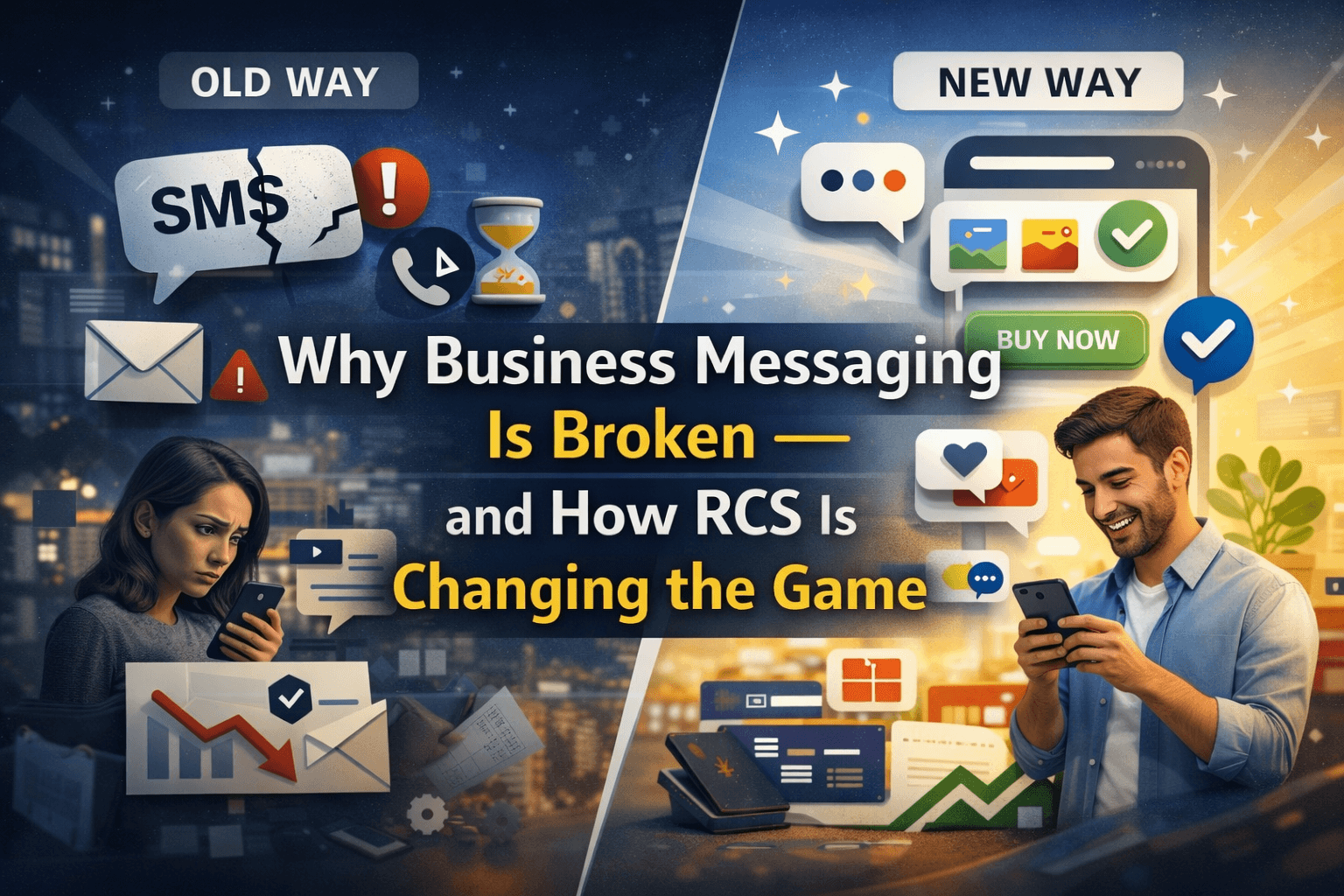
Customer communication has changed more in the last five years than in the previous two decades. Businesses today are expected to respond instantly, personalize every interaction, and remain available across multiple channels—all while controlling costs and maintaining compliance.
Yet, many organizations still rely on outdated messaging methods that no longer match customer expectations.
This gap between how businesses communicate and how customers want to engage is where most problems begin.
The Core Messaging Problems Businesses Face Today
1. Declining Engagement with Traditional SMS
SMS remains widely used for alerts and OTPs, but it has clear limitations:
No images, buttons, or branding
Low engagement for promotional or conversational use
Difficult to track meaningful performance metrics
Customers often read SMS but rarely interact with it.
2. Fragmented Customer Conversations
Businesses use multiple tools for:
SMS alerts
WhatsApp customer support
Email campaigns
App notifications
The result?
Disconnected conversations
No unified customer view
Higher operational overhead
Customers don’t think in “channels”—they expect continuity.
3. Rising Costs of Customer Acquisition & Support
Paid ads are expensive. Call centers are resource-heavy. Email open rates continue to drop.
Messaging should be the most cost-effective channel—but only if it’s interactive and contextual.
4. Changing Customer Expectations
Modern customers expect:
Rich visuals, not plain text
Quick actions (pay, confirm, book)
Conversations, not broadcasts
Brand trust and message authenticity
This is where legacy messaging struggles the most.
What Is RCS Messaging—and Why It Matters
RCS (Rich Communication Services) is often described as the evolution of SMS, but that undersells its impact.
Unlike SMS, RCS supports:
Images, videos, and carousels
Action buttons and suggested replies
Read receipts and typing indicators
Verified business profiles
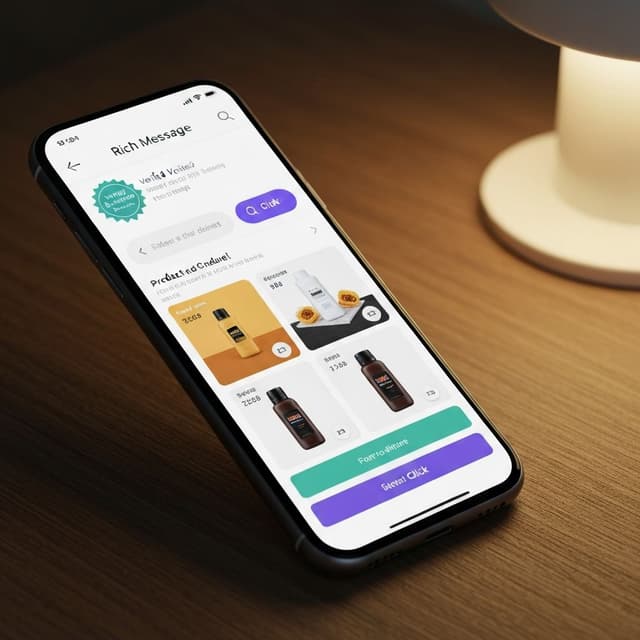
Most importantly, RCS works inside the phone’s default messaging app, eliminating the need for additional downloads.
For businesses, this creates an app-like experience without building or maintaining an app.
How RCS Solves Real Business Communication Issues
From Broadcasts to Conversations
RCS enables two-way communication. Customers can respond, ask questions, or take action directly from the message.
This is especially useful for:
Order confirmations
Appointment reminders
Payment prompts
Customer feedback
From Text to Experience
Instead of sending a message that says “Click the link”, RCS allows:
Product cards
CTA buttons like “Pay Now” or “Track Order”
Visual storytelling
This reduces friction and improves conversion rates.
From Anonymous to Trusted Messaging
With verified sender IDs, customers know exactly who the message is from. This reduces spam perception and builds credibility—especially important in sectors like finance, healthcare, and retail.
Where WhatsApp Still Plays a Critical Role
RCS is powerful, but it’s not a replacement for WhatsApp—it’s a complement.
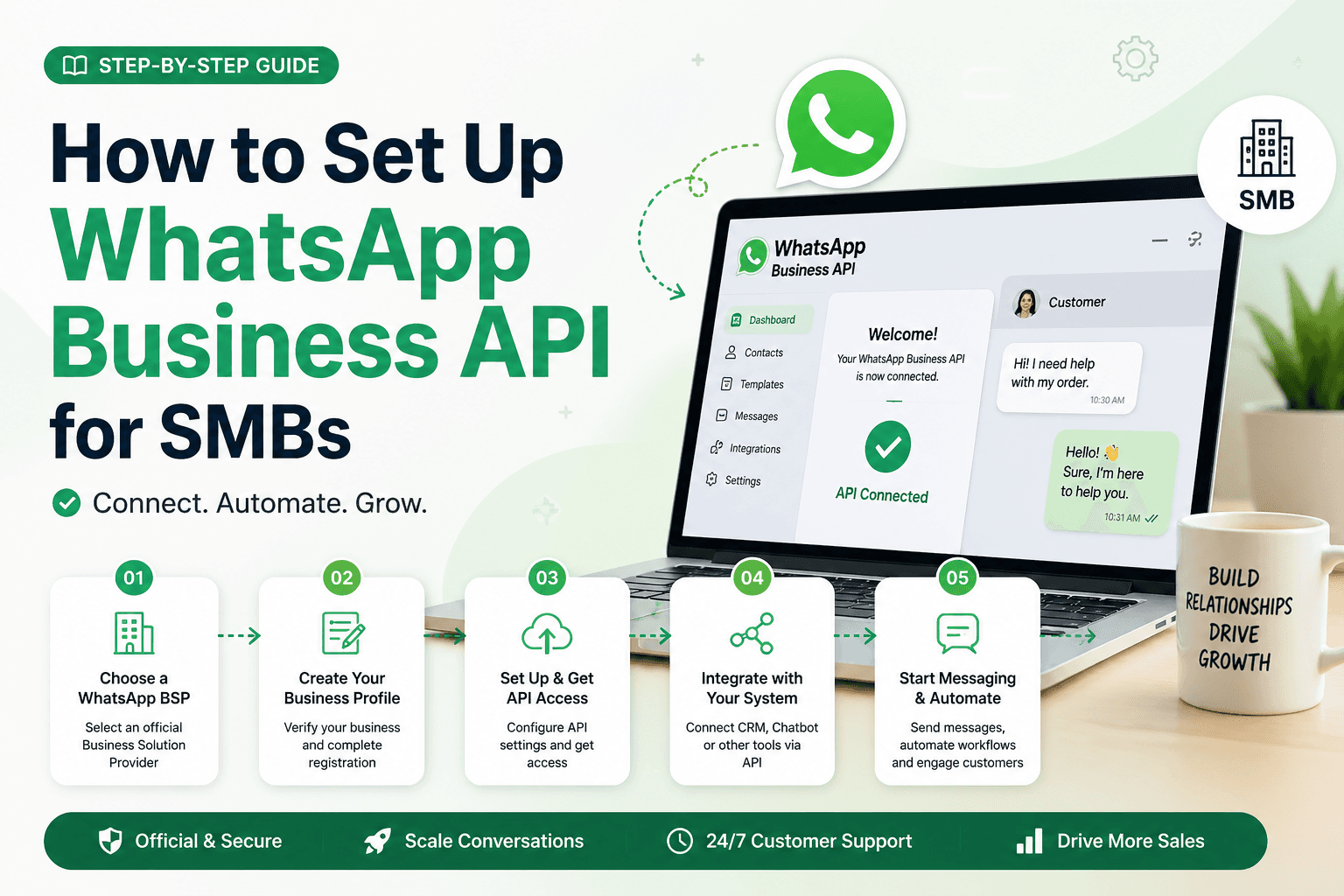
WhatsApp Business API remains essential because:
It has massive user adoption in India
Customers are already comfortable conversing on it
It supports automation, chatbots, and CRM integration
However, WhatsApp alone also has constraints:
Template approval requirements
Session-based pricing
Dependency on opt-ins
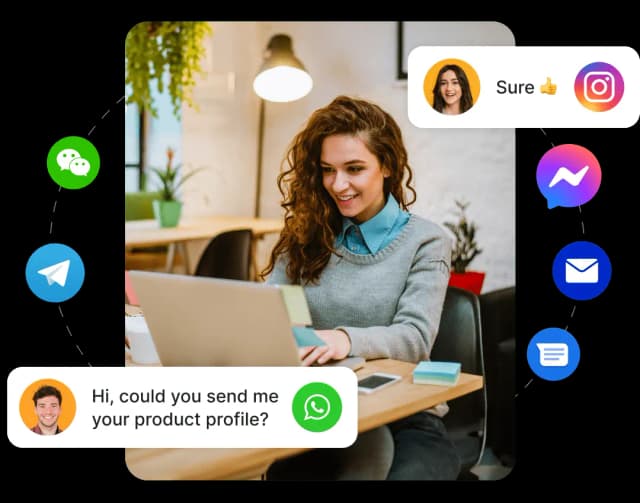
This is why many businesses are moving toward a multi-channel messaging strategy rather than betting on a single platform.
Why Omnichannel Messaging Is Becoming the Standard
An omnichannel messaging platform (WhatsApp + RCS + SMS) ensures:
Maximum reach
Consistent customer experience
Channel fallback when one option isn’t available
For example:
If a user supports RCS → send a rich RCS message
If not → deliver via WhatsApp
If WhatsApp isn’t available → fall back to SMS
This approach minimizes delivery failure while optimizing engagement.
Platforms like chati.ai operate in this space by enabling RCS messaging alongside WhatsApp and SMS within a unified workflow, rather than treating each channel as a silo.
Practical Use Cases Across Industries
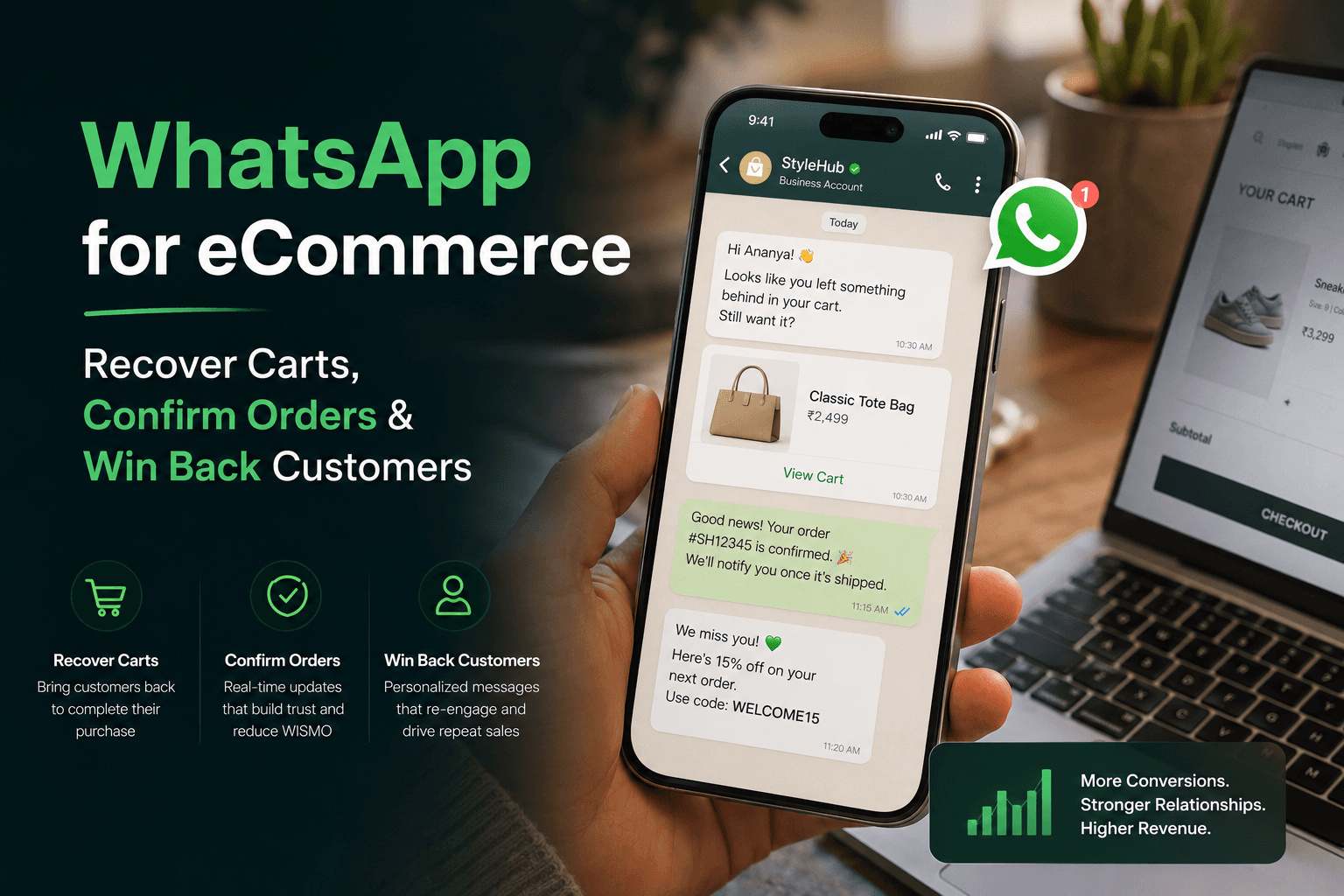
Retail & E-commerce
Product discovery through RCS carousels
Order tracking via WhatsApp
Payment reminders via SMS fallback
Healthcare
Appointment confirmations
Follow-up instructions
Two-way patient communication
Banking & Financial Services
Transaction alerts
KYC updates
Secure, branded notifications
Education & Services
Enrollment reminders
Class updates
Support conversations
Across these sectors, the common requirement is clear, interactive, reliable communication—not just message delivery.
Common High-Search Queries Businesses Have
Based on industry trends and frequently searched questions around WhatsApp Business API provider :
What is the difference between WhatsApp Business App and API?
Is WhatsApp Business API paid?
How can I automate customer support on WhatsApp?
Can WhatsApp messages be integrated with CRM?
What are WhatsApp message templates and approval rules?
Is RCS better than SMS for marketing?
How does RCS work on Android devices?
These queries show one thing clearly:
Businesses aren’t just looking for tools—they’re looking for clarity and reliability.
RCS vs WhatsApp: It’s Not a Competition
A common misconception is viewing RCS and WhatsApp as competing technologies.
In reality:
RCS excels at rich, native, app-less experiences
WhatsApp excels at conversational engagement and automation
When combined, they address a much wider set of customer scenarios than either could alone.
What Businesses Should Look for in a Messaging Solution
Instead of focusing only on channels, decision-makers should evaluate:
Delivery reliability
Ease of integration
Analytics and reporting
Automation capabilities
Scalability
Compliance and sender verification
Whether using chati.ai or any similar platform, the goal should be simplified communication with measurable outcomes, not just message volume.
Final Thoughts: Messaging That Aligns with Customer Behaviour
Customers don’t wake up thinking about RCS, WhatsApp, or SMS. They think about:
Getting quick answers
Completing tasks easily
Trusting the brand they interact with
RCS messaging, supported by WhatsApp and SMS through an omnichannel approach, aligns business communication with how people already use their phones.
For Indian businesses navigating growth, customer retention, and rising competition, this shift isn’t optional—it’s inevitable.
The question is no longer “Which messaging channel should we use?”
It’s “How do we meet customers where they already are—without friction?”