For small and medium-sized businesses (SMEs), customer communication is no longer limited to phone calls and emails. Today, customers expect instant replies, personalized support, and smooth digital experiences. This is where WhatsApp Business API plays a major role.
Many business owners ask the same question: Is WhatsApp Business API really free? And more importantly, is it worth investing in for my business?
In this detailed guide, we will explain the real cost of WhatsApp API, how it works, and how SMEs can use it to grow through automation, customer engagement, and smarter communication.
What Is WhatsApp Business API and Who Is It For?
WhatsApp Business API is a professional communication solution designed for growing companies. Unlike the regular WhatsApp Business App, the API allows businesses to connect WhatsApp with their systems, CRM tools, websites, and automation platforms.
It is mainly designed for:
Startups and SaaS companies
Online stores and e-commerce brands
Service-based businesses
Healthcare, education, and finance companies
Customer support teams
With API access, businesses can send automated messages, notifications, updates, and customer support replies at scale.
This makes it ideal for companies looking to build WhatsApp Automation for SaaS and other digital platforms.
Is WhatsApp Business API Free or Paid?
The simple answer is: No, WhatsApp Business API is not completely free.
While registration and setup are usually free, Meta (WhatsApp’s parent company) charges businesses based on conversations.
WhatsApp follows a conversation-based pricing model:
A conversation lasts 24 hours
Charges apply per conversation, not per message
Pricing varies by country and category
There are two main types:
User-Initiated Conversations
When a customer messages you first. These are usually cheaper.
Business-Initiated Conversations
When you send templates, promotions, or alerts first. These are more expensive.
So, while you don’t pay for every message, regular usage does involve ongoing costs.
Why Does WhatsApp Use a Conversation-Based Pricing Model?
WhatsApp introduced this model to balance business usage and user experience.
The main reasons are:
To prevent spam
To encourage meaningful conversations
To support platform maintenance
To ensure quality messaging
Instead of charging per message, WhatsApp focuses on engagement windows. This allows businesses to send multiple replies within 24 hours at one cost.
For SMEs, this is often more affordable than traditional SMS marketing.
How Much Does WhatsApp API Actually Cost for SMEs?
The exact price depends on:
Your country
Your customer’s location
Conversation type
Service provider
On average, costs may range from a few cents to a few rupees per conversation.
Additionally, many businesses use third-party providers. These companies may charge:
Monthly platform fees
Setup fees
Automation tool fees
Support charges
Before choosing a provider, SMEs should carefully review pricing structures.
How Can WhatsApp API Help Boost Business Growth?
WhatsApp API is more than a messaging tool. It becomes a complete customer engagement platform.
Some key benefits include:
Faster customer response
Higher open rates than email
Better customer trust
Improved sales conversion
Reduced support workload
Many companies now use it to Boost E-commerce Sales with WhatsApp by automating order updates, cart reminders, and product recommendations.
Can Small Businesses Really Benefit from WhatsApp Automation?
Yes, absolutely.
Automation helps SMEs compete with larger brands without increasing staff.
With automation, you can:
Send order confirmations
Provide instant FAQs
Schedule appointment reminders
Share invoices and receipts
Follow up with leads
For SaaS companies, automation is especially valuable. Through WhatsApp Automation for SaaS, businesses can onboard users, guide product usage, and reduce churn.
What Role Do AI Chatbots Play in WhatsApp Business?
Modern WhatsApp systems are now integrated with smart bots.
These AI powered chatbots for businesses can:
Answer common questions
Collect customer data
Route queries to agents
Recommend products
Support multiple languages
AI chatbots operate 24/7 and reduce dependency on human agents. For SMEs with limited teams, this significantly improves efficiency.
Instead of hiring multiple support executives, one chatbot can manage hundreds of daily queries.
How Does WhatsApp API Improve Customer Experience?
Customer experience is the biggest advantage of WhatsApp API.
Here’s how it helps:
Instant Communication
Customers don’t wait in queues. Replies are fast.
Personalized Messages
Messages can include names, order details, and preferences.
Secure Communication
WhatsApp uses end-to-end encryption.
Rich Media Support
You can send images, PDFs, videos, and links.
All these factors build trust and long-term relationships.
What Is the Setup Process for WhatsApp Business API?
Setting up WhatsApp API involves several steps:
Create a Meta Business Account
Verify your business
Choose an API provider
Submit phone number
Get template approvals
Integrate with your system
The process may take a few days to a few weeks depending on verification speed.
Most providers offer onboarding support for SMEs.
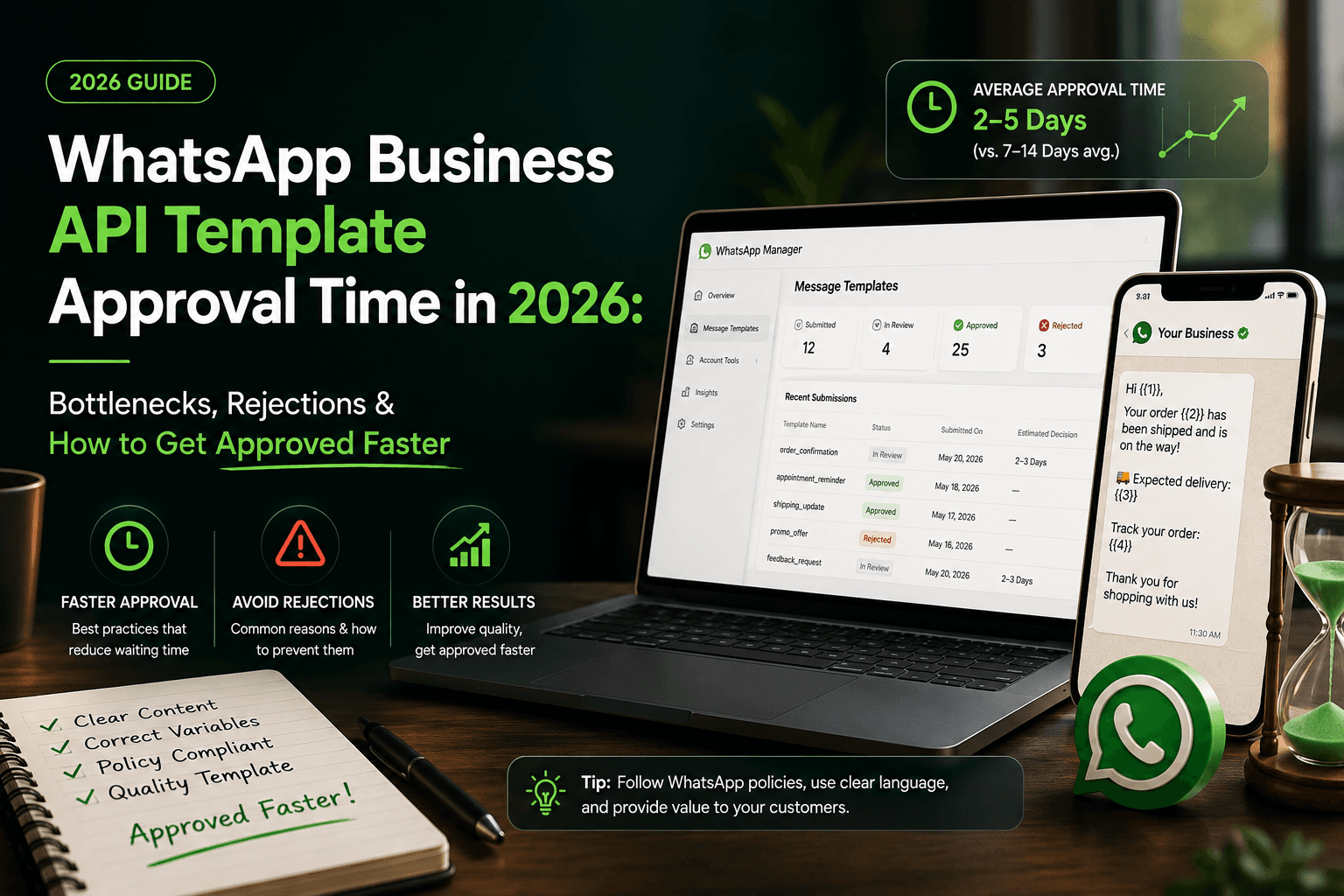
Are Message Templates Mandatory for Businesses?
Yes, for business-initiated conversations.
Templates are pre-approved message formats used for:
Promotions
Alerts
OTPs
Payment reminders
Shipping updates
They must follow WhatsApp’s policy and avoid spammy language.
Once approved, they can be reused anytime.
Is WhatsApp API Better Than Email and SMS Marketing?
In many cases, yes.
Let’s compare:
Open Rates
WhatsApp: 90%+
Email: 20–30%
SMS: 40–50%
Response Rate
WhatsApp has much higher engagement.
Rich Content
WhatsApp supports media, links, and buttons.
Two-Way Communication
Unlike SMS, WhatsApp allows easy replies.
For SMEs focused on conversion and engagement, WhatsApp often delivers better ROI.
What Are the Main Challenges of Using WhatsApp API?
Despite its benefits, WhatsApp API has some limitations:
Cost Management
Frequent conversations can increase expenses.
Template Restrictions
Approval takes time.
Technical Setup
Requires integration and maintenance.
Compliance Rules
Strict anti-spam policies.
Businesses must plan their strategy carefully to avoid unnecessary charges.
How Can SMEs Reduce WhatsApp API Costs?
To control expenses, SMEs can:
Encourage user-initiated chats
Use automation for FAQs
Optimize template usage
Segment customers
Avoid unnecessary broadcasts
Smart usage ensures better results at lower costs.
Is WhatsApp API Suitable for All Types of Businesses?
WhatsApp API works best for:
E-commerce stores
SaaS platforms
Service providers
Healthcare clinics
Educational institutes
Travel agencies
However, very small local shops with low digital activity may not need full API access. For them, the free WhatsApp Business App may be sufficient.
What Is the Future of WhatsApp Business for SMEs?
WhatsApp is continuously adding new features:
In-app payments
Advanced analytics
AI integrations
Catalog upgrades
CRM integrations
These improvements will make WhatsApp a complete business platform.
In the future, businesses that adopt automation early will have a competitive advantage.
Should Your Business Invest in WhatsApp Business API?
If your business depends on:
Customer communication
Lead generation
Online sales
Support services
Then yes, WhatsApp API is worth considering.
For SMEs, it offers enterprise-level communication at reasonable costs when used strategically.
Final Thoughts: Is WhatsApp Business API Worth It?
WhatsApp Business API is not free, but it is affordable when used correctly.
It enables SMEs to:
Automate operations
Improve customer engagement
Increase conversions
Build brand trust
Scale efficiently
With smart planning, automation, and AI support, WhatsApp can become your most powerful business channel.
Whether you want to grow your SaaS platform, improve customer support, or expand online sales, WhatsApp API offers the tools to succeed in today’s digital market.